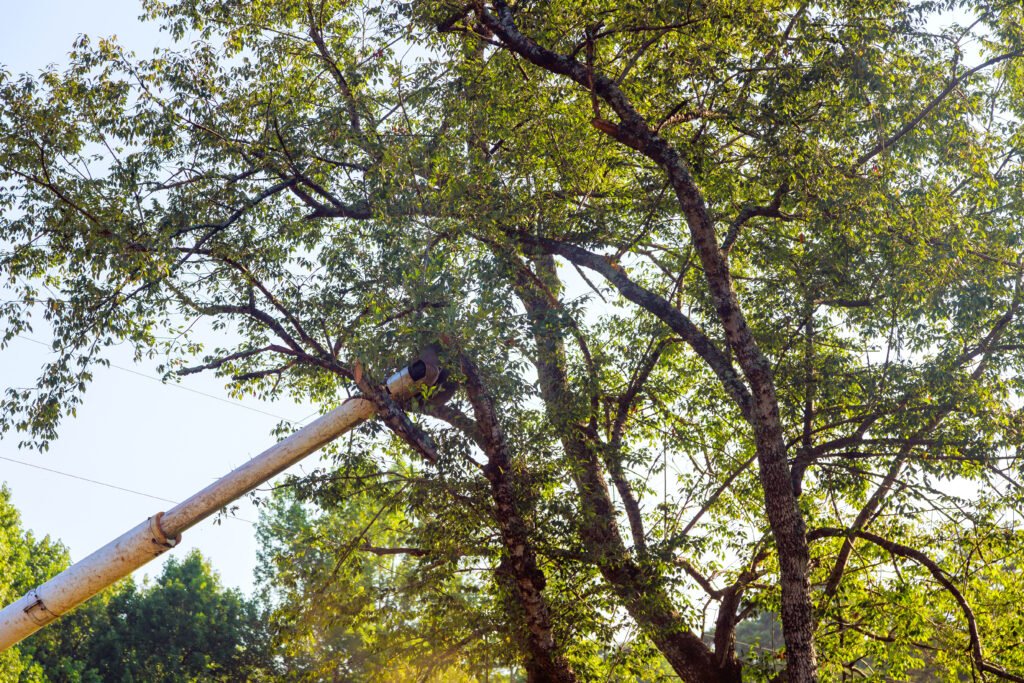
Every summer, fallen trees and snapped branches cause a big chunk of storm damage on the Gold Coast. Most of it is avoidable. Storm season in South East Queensland typically runs from around November to March, so spring is the time to get your trees checked.
Here’s a simple storm season tree checklist you can run through this weekend.
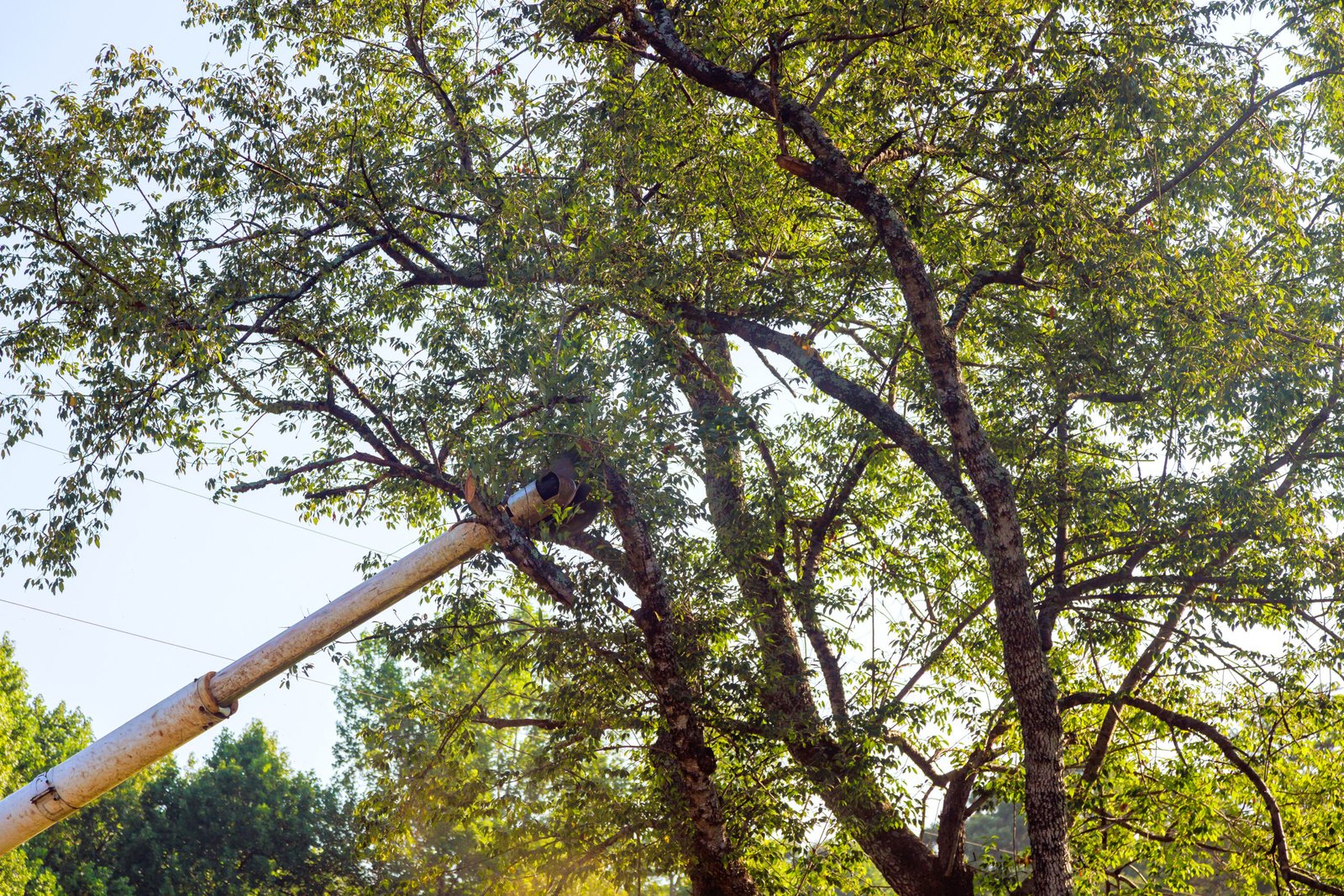
Your 10-Point Storm Season Tree Checklist
- Branches over the roof. Any limbs hanging over the house, garage or granny flat?
- Dead branches. Bare, brittle or leafless limbs in the canopy (often called “widow makers”).
- Cracks and splits. Look where big limbs join the trunk, especially V-shaped forks.
- Leaning trees. Has the lean got worse? Is the soil lifting or cracking on the opposite side?
- Root damage. Recent trenching, new driveways or pools can cut roots and destabilise a tree.
- Fungus or rot. Mushrooms at the base, hollow sounds or soft wood are warning signs.
- Power lines. Branches near the service line to your house? Call a professional. Never DIY near power.
- Palm trees. Dead fronds and heavy seed pods become missiles in high wind.
- Gutters. Leaf litter in gutters causes overflow and water damage during heavy rain.
- Neighbour’s trees. Overhanging limbs from next door? Have a chat before storm season, not after.
Pruning vs Removal Before a Storm
Most trees don’t need to come down. A good tree prune removes dead wood, thins the canopy so wind passes through, and clears the roofline. That alone cuts storm risk a lot.
If a tree is dying, badly damaged, rotten or leaning towards the house, tree removal may be the safer option. Council has an exemption for trees its arborist confirms are dangerous, but check first. See do you need permission to cut down a tree.
Don’t Top Your Trees
Chopping the top off a tree (“topping”) seems like a quick fix, but it causes weak, fast regrowth that is more likely to snap in a storm. Proper tree lopping and crown reduction cut back to healthy growth points instead.
What to Do If a Tree Falls in a Storm
- Stay well clear, especially if power lines are involved. Call Energex on 13 19 62 for fallen power lines.
- For urgent help with storm damage, call the SES on 132 500.
- Take photos for your insurance claim before anything is moved.
- Call a qualified arborist to safely remove the tree. Don’t try to cut storm-damaged trees yourself; the wood can be under tension and spring back.
Book a Pre-Storm Tree Check
O’Healy tree service checks trees across the Gold Coast before storm season. We’ll tell you straight what’s risky, what’s fine, and give you a fixed price to sort it. Getting it done early means you avoid the summer rush and emergency rates. Wondering about price? See our Gold Coast tree removal cost guide.
Need a hand? Call O’Healy Tree Service on 07 5651 3663 or get a free quote online. Fully insured Gold Coast arborists, based in Burleigh Heads.
Frequently Asked Questions
When is storm season on the Gold Coast?
Storm season in South East Queensland generally runs from around November to March, with severe thunderstorms most common in late spring and summer.
How do I know if a tree is dangerous?
Warning signs include dead branches, cracks in the trunk or major forks, a lean that is getting worse, fungus at the base, and lifting soil around the roots. If in doubt, get an arborist to assess it.
Does home insurance cover tree removal after a storm?
Many policies cover removal of a tree that has damaged your home, but cover varies. Check your policy and take photos before the tree is moved.
Should I prune trees before storm season?
Yes. Removing dead wood and thinning the canopy before summer reduces the chance of branches breaking in high winds.
{“@context”:”https://schema.org”,”@type”:”FAQPage”,”mainEntity”:[{“@type”:”Question”,”name”:”When is storm season on the Gold Coast?”,”acceptedAnswer”:{“@type”:”Answer”,”text”:”Storm season in South East Queensland generally runs from around November to March, with severe thunderstorms most common in late spring and summer.”}},{“@type”:”Question”,”name”:”How do I know if a tree is dangerous?”,”acceptedAnswer”:{“@type”:”Answer”,”text”:”Warning signs include dead branches, cracks in the trunk or major forks, a lean that is getting worse, fungus at the base, and lifting soil around the roots. If in doubt, get an arborist to assess it.”}},{“@type”:”Question”,”name”:”Does home insurance cover tree removal after a storm?”,”acceptedAnswer”:{“@type”:”Answer”,”text”:”Many policies cover removal of a tree that has damaged your home, but cover varies. Check your policy and take photos before the tree is moved.”}},{“@type”:”Question”,”name”:”Should I prune trees before storm season?”,”acceptedAnswer”:{“@type”:”Answer”,”text”:”Yes. Removing dead wood and thinning the canopy before summer reduces the chance of branches breaking in high winds.”}}]}